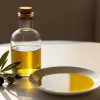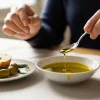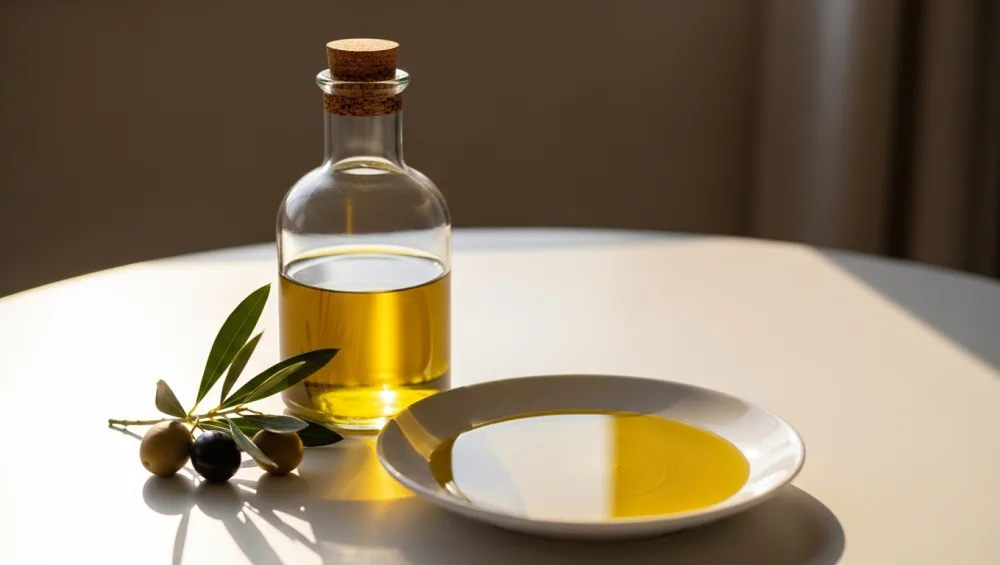
Olive oil is not just a food product; it is a unique gift that has blended Mediterranean culture, health, and pleasure for thousands of years. Every drop reflects the meeting of soil and human dedication. Today, let’s explore the lesser known aspects of this liquid gold that enriches our tables.
1. Why Is Olive Oil Called “Liquid Gold”?
Olive oil stands out thanks to its high content of oleic acid, antioxidant polyphenols, and vitamin E. These powerful components support heart health and contribute to cellular renewal, among many other benefits. With these qualities, olive oil continues to hold its place as a golden standard in nutrition.
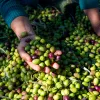
2. Early Harvest or Late Harvest?
The harvest time of olives has a significant impact on flavor and quality.
• Early Harvest: Produced from greener olives. It offers a more intense aroma with noticeable bitterness and peppery notes. Antioxidant levels are generally higher.
• Late Harvest: Provides a softer taste profile with more pronounced fruity aromas. Both types cater to different palates and shine in different culinary uses.
3. Cold Pressed: The Fine Line That Defines Quality
When olive oil is labeled “cold pressed,” it means that it has been extracted without exposure to high temperatures. This method preserves both aroma and nutritional value. In Nizolive olive oils, this careful process ensures that naturalness and freshness come together in every bottle.
4. Health Benefits of Olive Oil
The benefits of olive oil are extensive. Some of the most important include:
• Supporting cardiovascular health and helping balance cholesterol levels.
• Providing antioxidant properties that contribute to healthy aging.
• Supporting digestion and offering anti inflammatory effects.
• Contributing to immune system support when consumed regularly and in balance.
5. Tips for Using Olive Oil in the Kitchen
To make the most of olive oil in your kitchen, consider these practical tips:
• Choose extra virgin olive oil for salads and appetizers.
• Use it at low to medium heat to preserve its aroma during cooking.
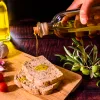
• Pair it with bread and fresh herbs for a simple yet elegant touch.
• Add it after cooking as a finishing drizzle to enhance flavor.
6. The Art of Storing Olive Oil
Proper storage is essential to maintain the quality of premium olive oil.
• Keep it in a cool, dark place.
• Protect it from direct sunlight, heat, and air exposure.
• Close the bottle tightly after each use.
Conclusion: Olive Oil Is More Than a Taste, It Is a Culture and a Lifestyle
Olive oil is not merely a product; it is one of nature’s most flavorful gifts. With its health benefits and culinary versatility, it holds a special place on our tables.
At Nizolive, we are proud to bring this exceptional flavor to you in its most natural form. May you feel the essence of nature and dedication in every drop.