Olive oil is one of the most essential ingredients in any kitchen.
Yet most of the time, we simply “use” it without truly knowing how to use it well.
When used correctly, olive oil doesn’t just complement a dish, it elevates it.
Cooking or Finishing?
One of the most common questions is:
Should olive oil be used during cooking, or added at the end?
The answer is both, but in the right way.
- During cooking: Olive oil can be safely used at medium temperatures. It works perfectly for vegetables, sautéing, and light cooking techniques.
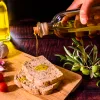
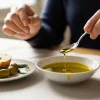
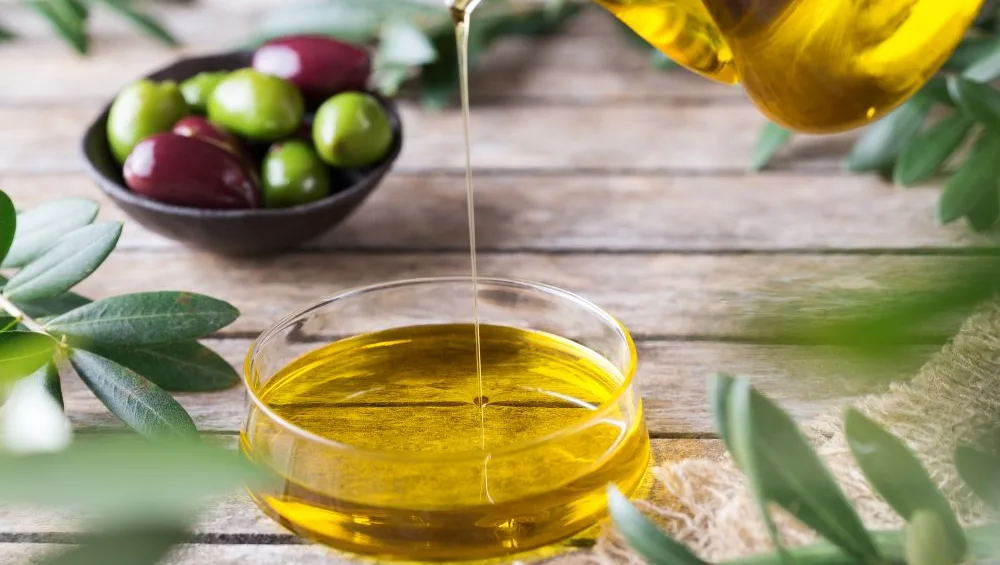
- Before serving: The best olive oils truly shine when used raw. Drizzling over salads, soups, or even main dishes just before serving enhances their aroma and flavor.
In other words, olive oil is not just a cooking ingredient, it is also a finishing touch.
Not Every Dish Needs the Same Olive Oil
Just like spices, olive oils have different personalities.
- Intense and fruity oils: Ideal for salads and cold dishes
- Milder profiles: Perfect for traditional olive oil-based meals
- Bold and aromatic oils: Great for grilled vegetables and meat dishes
The key is to choose an oil that enhances the dish without overpowering it.
How Much Is Enough?
One of the most common mistakes is using too much or too little olive oil.
Too much can overwhelm a dish, while too little may not bring out its full potential.
For balance:
- Use a moderate amount أثناء cooking
- Add a controlled finishing touch before serving
A high-quality olive oil can make an impact even in small quantities.
Temperature Matters
Olive oil is not meant for extremely high heat.
At very high temperatures:
- Aromatic compounds are lost
- Nutritional value decreases
That’s why premium olive oils are best used in gentle cooking methods rather than high-heat frying.
Storage Affects Flavor
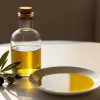
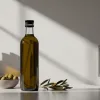
Using olive oil correctly also means storing it properly.
- Keep it away from light
- Store it in a cool place
- Always close the bottle tightly
These simple steps help preserve freshness and flavor.
Small Touches in Everyday Life
Olive oil is not just for cooking, it can enhance everyday moments:
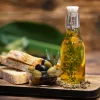
- With fresh bread
- Drizzled over yogurt
- At breakfast with tomatoes and cheese
- Over grilled vegetables
These small touches can turn even the simplest meal into a memorable experience.
Conclusion: The Most Elegant Form of Flavor
When used correctly, olive oil becomes one of the most powerful yet subtle elements in the kitchen.
Not too much, not too little.
Just the right touch, in the right place, at the right time.
Sometimes, creating a big difference in every meal comes down to a single, simple drizzle.